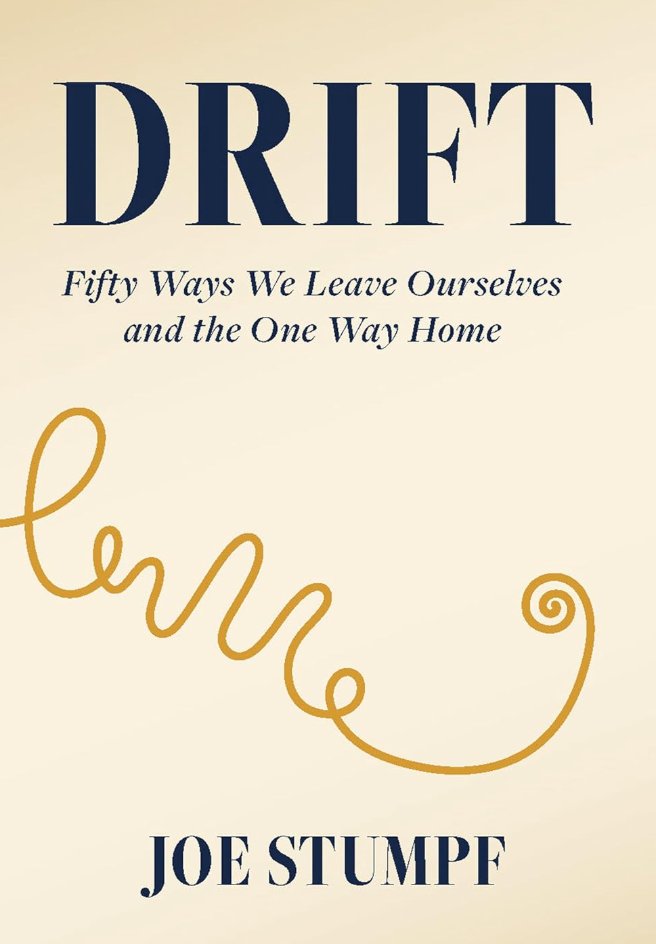
Fifty Ways We Leave Ourselves
and the One Way Home
"Drift isn't a problem you solve once and never face again. It's a pattern you recognize, return from, and then recognize again. The breakthrough isn't stopping the drift. The breakthrough is naming it."
"Names cut through fog. They turn a vague sense of wrongness into something specific. Something visible. And what's visible can be worked with."
I have been drifting my whole life. Not constantly. Not every moment. But enough that I noticed. Enough that I kept trying to understand what was happening. Enough that I needed a map.
Here's what I discovered: Drift isn't a problem you solve once and never face again. It's a pattern you recognize, return from, and then recognize again. And again. For the rest of your life.
The breakthrough isn't stopping the drift. The breakthrough is naming it. Because once you can name what's happening — I'm numbing, I'm rehearsing, I'm performing, I'm escaping — you have a choice. Before you can name it, you're just lost. Something feels off, but you can't locate it. You're wandering in fog.
I didn't just want names. I wanted archetypes. Archetypes stick. They lodge in long-term memory in a way clinical descriptions never do. When I say The Guarded Heart or The Quiet Disappearance, something clicks. You recognize the pattern immediately. You've met that character before. In yourself. In others. In stories you already know.
This book is not a fix. It's a guide. A way to recognize where you are when you've drifted. A map for the return. A language that makes the invisible visible.
You will drift again. I still drift. The patterns don't disappear because you've named them. But when you can name them, you return sooner. You notice faster. You spend less time lost.
Each recognition is a mirror. Some will stop you cold. Others you'll pass quickly — and then come back to. Click any pattern to read the recognition. Let it land before moving on.
What is DRIFT about?
DRIFT explores the fifty archetypal patterns through which we abandon ourselves — the subtle, habitual ways we leave our own presence — and offers the one path of return to authentic selfhood.
Who is DRIFT for?
For anyone who has ever felt the gap between who they are and how they're living. For those who sense they've been drifting but couldn't name it. For those ready to return.
How do I use this book?
DRIFT is not meant to be read straight through. Use it as a field guide. When you sense you've drifted, open the Quick Reference Guide, find the question that lands, and read that recognition. Let it work on you.
What is "the one way home"?
Recognition 50 — The Return — is the culmination. It is not a chapter about a new pattern. It is about what remains when the drift is named: presence, which was never actually lost.
There's a reason you remember song lyrics from thirty years ago but can't recall what you read last week. When you read and hear simultaneously, your brain encodes the information twice — through different doorways. The memory becomes richer, deeper, more dimensional.
joestumpfdrift.com